

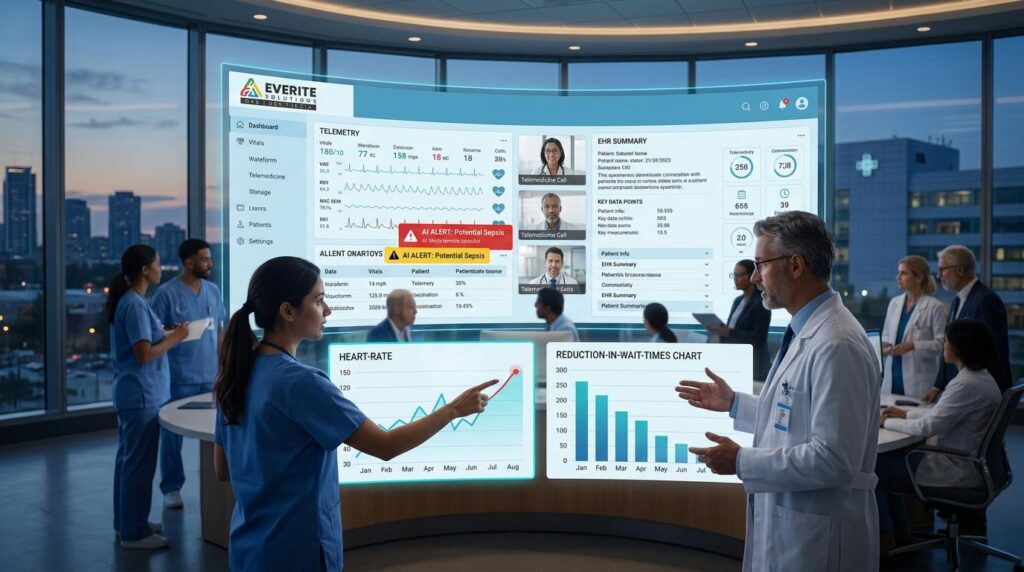
Digital transformation in healthcare is no longer optional—it’s a necessity. Patients expect seamless, personalized experiences, while providers seek tools that enhance clinical decision-making and operational workflows. Everite stands alongside healthcare leaders, offering insights and solutions that harness these cutting-edge technologies to elevate care quality and patient satisfaction.
What Are Healthcare Technology Trends
Healthcare technology trends refer to the emerging tools, platforms, and innovations that are reshaping the delivery, management, and experience of healthcare services. These trends encompass a broad spectrum—from artificial intelligence and telemedicine to blockchain and robotics—each contributing to a more efficient, patient-centered system. Understanding these trends helps healthcare organizations anticipate changes, adopt best practices, and improve both clinical and operational outcomes.
Artificial Intelligence and Machine Learning in Healthcare
Definition and Applications in Diagnostics
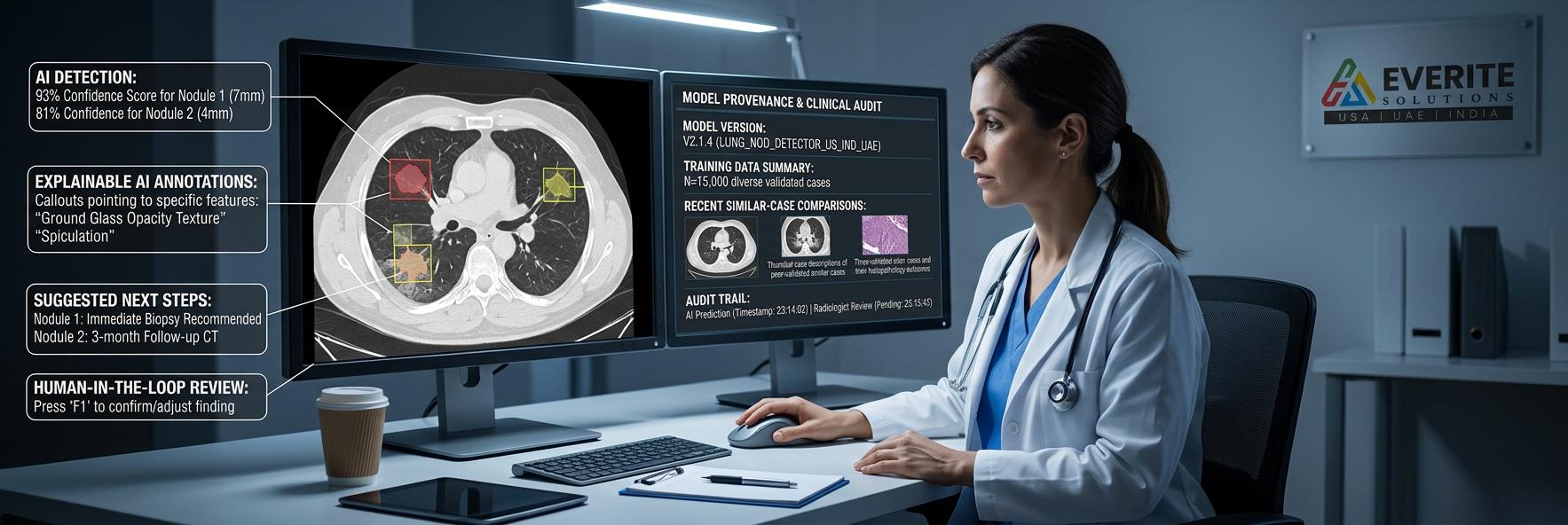
Artificial Intelligence (AI) and Machine Learning (ML) involve computer systems that simulate human intelligence to analyze complex data and make predictions. In healthcare, AI-powered diagnostic tools analyze medical images, lab results, and patient histories to detect diseases earlier and with greater accuracy. For example, AI algorithms can identify cancerous lesions in radiology scans faster than traditional methods, reducing diagnostic errors and enabling timely interventions.
AI in Operational Efficiency and Workflow Automation
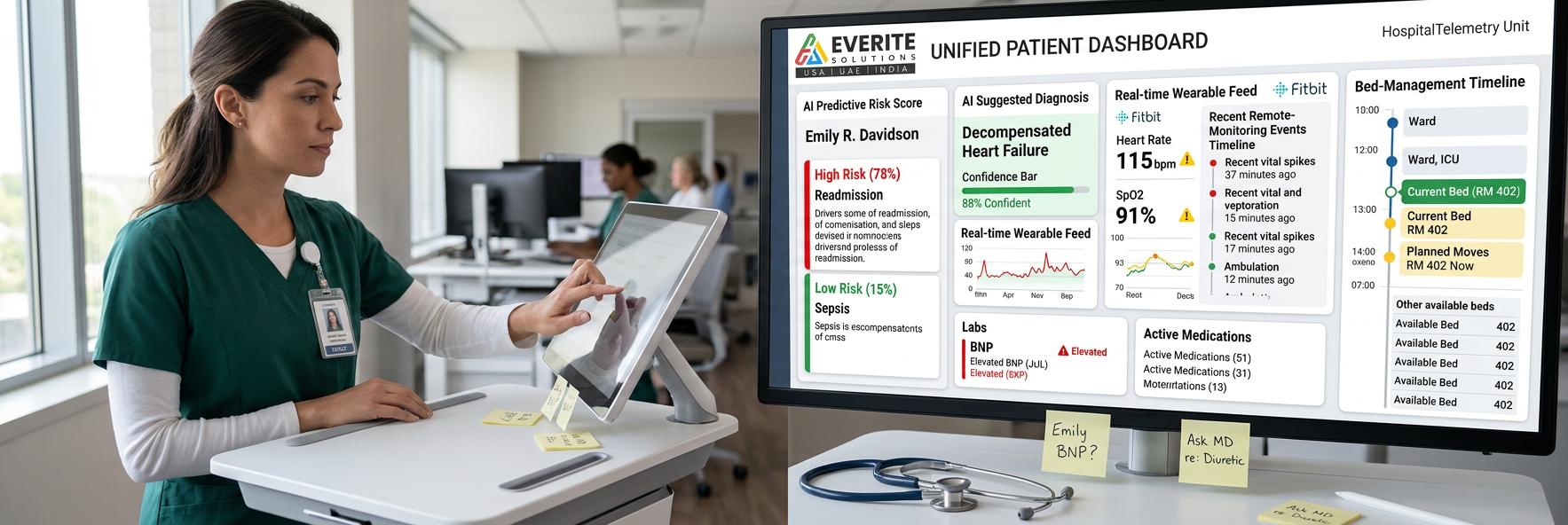
Beyond diagnostics, AI streamlines hospital operations by automating administrative tasks such as appointment scheduling, billing, and resource allocation. Machine learning models predict patient admission rates, helping hospitals optimize staffing and bed management. This reduces wait times and operational costs, allowing clinicians to focus more on patient care.
Key Benefits of AI for Patient Outcomes
- Improved diagnostic accuracy leading to earlier treatment.
- Personalized treatment plans based on predictive analytics.
- Reduced clinician burnout through automation of routine tasks.
- Enhanced patient monitoring with real-time data analysis.
A 2023 study by Accenture estimates that AI applications could save the US healthcare system up to $150 billion annually by 2026, underscoring its transformative potential.
Telemedicine and Virtual Care Expansion
Overview of Telemedicine Technologies

Telemedicine uses digital communication tools—video calls, mobile apps, and remote monitoring devices—to provide clinical services remotely. This technology has expanded rapidly, especially since the COVID-19 pandemic, enabling patients to consult healthcare providers without physical visits.
Impact on Access to Care and Patient Convenience
Telemedicine breaks down geographical barriers, offering rural and underserved populations access to specialists. It also reduces travel time and costs for patients, improving adherence to follow-up appointments. For chronic disease management, virtual visits allow continuous care without disrupting daily life.
Challenges and Solutions in Virtual Care Delivery
Despite its benefits, telemedicine faces challenges such as technology literacy gaps, reimbursement policies, and data privacy concerns. Healthcare organizations are addressing these by investing in user-friendly platforms, advocating for supportive regulations, and implementing robust cybersecurity measures.
Wearable Health Technology and Remote Patient Monitoring
Types of Wearable Devices and Their Functions
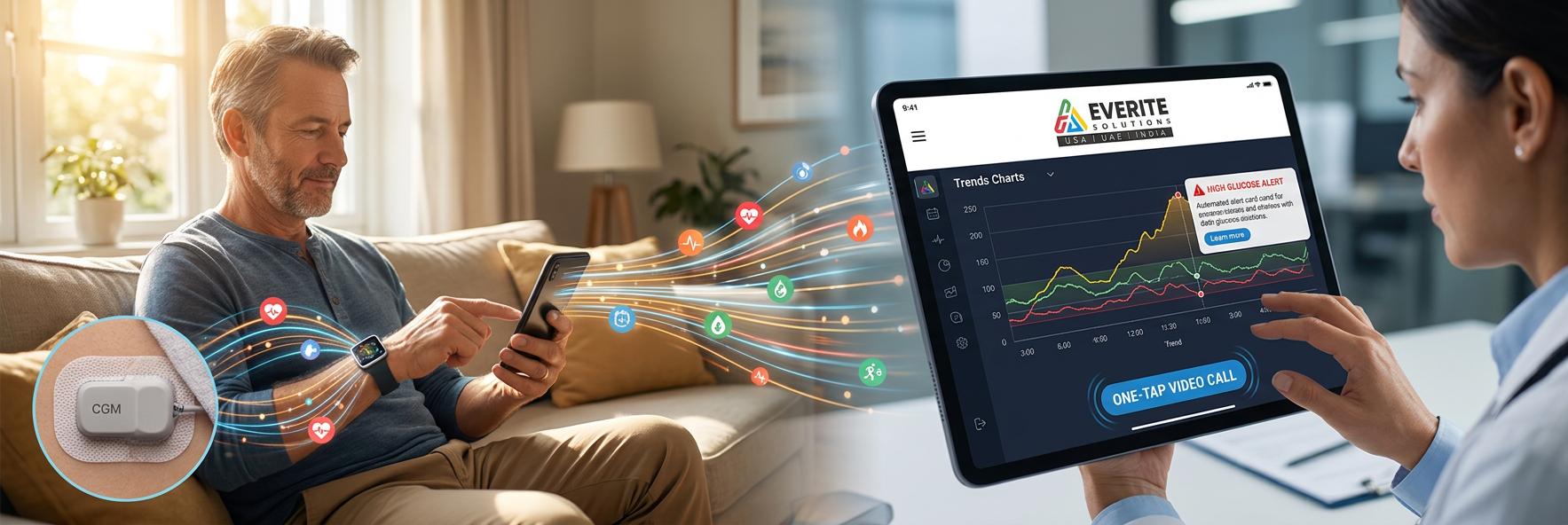
Wearable health devices include smartwatches, fitness trackers, glucose monitors, and ECG patches that continuously collect physiological data. These devices track vital signs like heart rate, blood oxygen, and activity levels, providing real-time insights into patient health.
Benefits for Chronic Disease Management
Remote patient monitoring (RPM) through wearables enables early detection of health deterioration, reducing hospital readmissions. For example, heart failure patients monitored via wearable sensors can receive timely interventions, improving quality of life and reducing costs.
Integration with Healthcare Systems
Effective RPM requires seamless integration with Electronic Health Records (EHR) and clinical workflows. Platforms like Everite’s remote monitoring solutions facilitate this integration, ensuring clinicians receive actionable data without workflow disruption.
Advancements in Electronic Health Records (EHR)
Modern Features Enhancing Data Accessibility
EHR systems have evolved from simple digital record-keeping to comprehensive platforms offering clinical decision support, patient portals, and analytics dashboards. These features improve data accessibility for providers and empower patients to engage actively in their care.
Interoperability and Data Sharing Improvements
Interoperability—the ability of different EHR systems to exchange and use information—is critical for coordinated care. Standards like FHIR (Fast Healthcare Interoperability Resources) enable seamless data sharing across providers, reducing duplication and errors.
Security and Compliance Considerations
With increasing cyber threats, EHR systems must comply with regulations such as HIPAA to protect patient privacy. Blockchain and advanced encryption methods are being explored to enhance data security further.
Blockchain for Healthcare Data Security
What Is Blockchain Technology in Healthcare
Blockchain is a decentralized ledger technology that records transactions securely and transparently. In healthcare, it can create immutable records of patient data, ensuring integrity and traceability.
Enhancing Data Integrity and Patient Privacy
Blockchain reduces risks of data tampering and unauthorized access by distributing data across multiple nodes. Patients can control access permissions, enhancing privacy and trust.
Use Cases and Adoption Barriers
Use cases include secure sharing of medical records, drug supply chain tracking, and clinical trial data management. However, challenges such as scalability, regulatory uncertainty, and integration complexity slow widespread adoption.
Personalized Medicine and Genomics
Role of Genomic Data in Tailored Treatments
Personalized medicine uses genetic information to customize treatments to individual patients. Genomic sequencing identifies mutations or biomarkers that influence drug response, enabling targeted therapies.
Technologies Enabling Precision Medicine
Advances in next-generation sequencing, bioinformatics, and AI-driven analytics facilitate rapid interpretation of genomic data. This accelerates the development of personalized treatment plans, especially in oncology.
Patient Experience Improvements through Personalization
Tailored treatments reduce adverse effects and improve efficacy, enhancing patient satisfaction. Patients feel more engaged when care aligns with their unique genetic profile.
Internet of Medical Things (IoMT)
Definition and Examples of IoMT Devices
IoMT refers to interconnected medical devices that collect and transmit health data. Examples include smart inhalers, connected insulin pumps, and implantable cardiac devices.
Impact on Real-Time Monitoring and Data Collection
IoMT enables continuous, real-time monitoring outside clinical settings, providing clinicians with comprehensive patient data. This supports proactive interventions and reduces emergency visits.
Challenges in IoMT Implementation
Challenges include device interoperability, data overload, and cybersecurity risks. Effective management platforms and standards are essential to harness IoMT’s full potential.
Automation and Robotics in Healthcare
Types of Robotics Used in Surgery and Care
Robotics in healthcare range from surgical robots like the da Vinci system to automated medication dispensers and robotic exoskeletons for rehabilitation.
Benefits for Efficiency and Accuracy
Robotic systems enhance precision in surgeries, reduce human error, and improve patient recovery times. Automation of repetitive tasks frees healthcare workers to focus on complex care.
Future Trends in Healthcare Automation
Emerging trends include AI-powered robotic assistants, autonomous diagnostic devices, and integration with telemedicine platforms, promising further efficiency gains.
Patient Engagement Platforms and Digital Experience Tools
Features Enhancing Patient Communication
Patient engagement platforms offer appointment scheduling, secure messaging, educational content, and feedback collection. These tools foster continuous communication between patients and providers.
Role in Improving Treatment Adherence
Digital reminders, personalized care plans, and interactive tools increase adherence to medications and follow-up visits, reducing complications.
Measuring Impact on Patient Satisfaction
Analytics embedded in these platforms track engagement metrics and satisfaction scores, guiding quality improvement initiatives.
Everite’s Role in Advancing Healthcare Technology
Innovative Solutions Supporting Healthcare Providers
Everite delivers integrated digital health platforms that combine EHR interoperability, remote monitoring, and AI analytics. These solutions empower providers to deliver efficient, data-driven care.
Commitment to Enhancing Patient Experience
By focusing on user-friendly interfaces and personalized communication tools, Everite helps healthcare organizations improve patient engagement and satisfaction.
Collaboration with Industry Leaders
Everite partners with hospitals, technology vendors, and research institutions to stay at the forefront of healthcare innovation, ensuring its solutions meet evolving needs.
Case Study: Implementing AI-Powered Diagnostics in a Hospital Setting
Background and Objectives
A leading US hospital sought to reduce diagnostic errors and speed up radiology workflows. The goal was to integrate AI tools to assist radiologists in detecting abnormalities in imaging studies.
Implementation Process and Challenges
The hospital deployed an AI diagnostic platform integrated with its EHR system. Challenges included clinician training, data privacy compliance, and workflow adjustments.
Outcomes and Lessons Learned
Within six months, diagnostic accuracy improved by 15%, and report turnaround times decreased by 30%. The hospital reported higher clinician satisfaction and better patient outcomes, demonstrating AI’s tangible benefits.
Frequently Asked Questions
What are the most impactful healthcare technology trends today?
Key trends include AI and machine learning, telemedicine, wearable health devices, EHR advancements, blockchain for data security, personalized medicine, IoMT, automation, and patient engagement platforms.
How does AI improve patient care in healthcare?
AI enhances diagnostic accuracy, personalizes treatment plans, automates routine tasks, and supports predictive analytics, leading to better outcomes and operational efficiency.
What challenges do hospitals face when adopting telemedicine?
Challenges include technology access disparities, reimbursement policies, data privacy concerns, and ensuring quality of care in virtual settings.
How can wearable devices enhance chronic disease management?
Wearables provide continuous monitoring, enabling early detection of health changes, timely interventions, and improved patient engagement in managing conditions like diabetes and heart disease.
What is the future outlook for personalized medicine?
Personalized medicine will expand with advances in genomics and AI, offering increasingly tailored treatments that improve efficacy and reduce side effects.
Conclusion
Everite remains committed to driving the future of healthcare through innovative technology solutions that enhance both provider capabilities and patient experiences. The healthcare technology trends transforming the industry today are not just buzzwords—they represent real opportunities to improve outcomes, reduce costs, and deliver care that is more accessible and personalized. By embracing these advancements, healthcare organizations can build resilient, patient-centered systems ready for the challenges of tomorrow.
Key Takeaways
- AI and machine learning are revolutionizing diagnostics and operational workflows.
- Telemedicine expands access and convenience but requires thoughtful implementation.
- Wearable devices and IoMT enable continuous, real-time patient monitoring.
- EHR advancements focus on interoperability, security, and patient engagement.
- Blockchain offers promising solutions for data integrity and privacy.
- Personalized medicine leverages genomics for tailored treatments.
- Robotics and automation improve precision and efficiency in care delivery.
- Patient engagement platforms foster communication and adherence.
- Everite’s integrated solutions support healthcare providers in adopting these technologies seamlessly.
Explore how Everite’s healthcare technology solutions can empower your organization to lead in this era of digital health innovation.